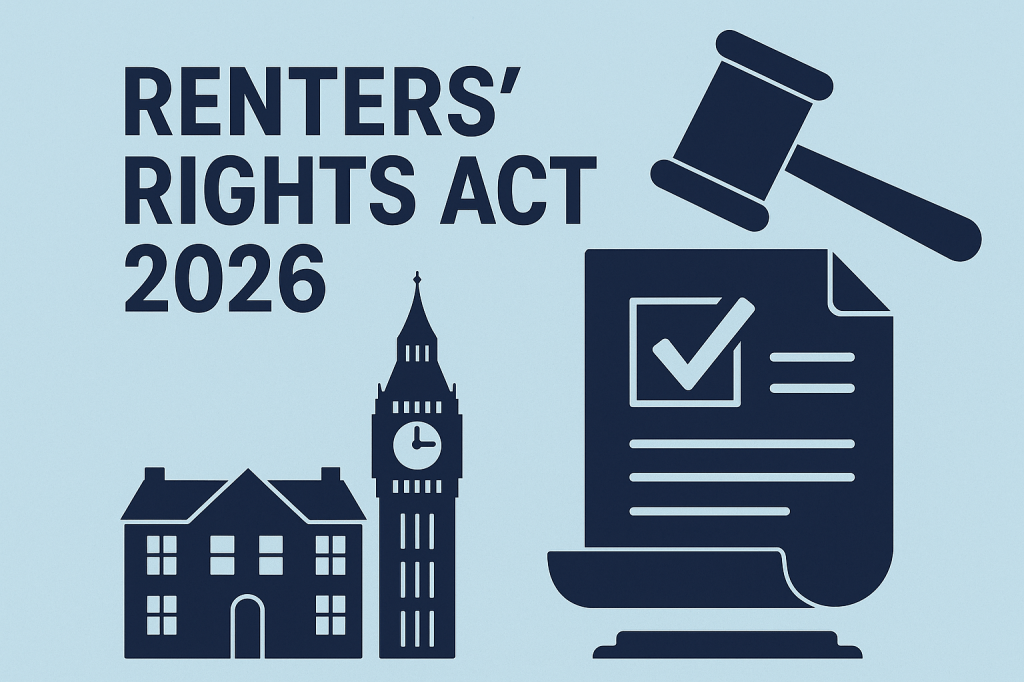
Newcastle University students are currently adjusting to a major change in renting laws, following the introduction of the new Renters’ Rights Act. The newly passed legislation has fundamentally changed the ways of housing across England, and had a significant effect on university students.
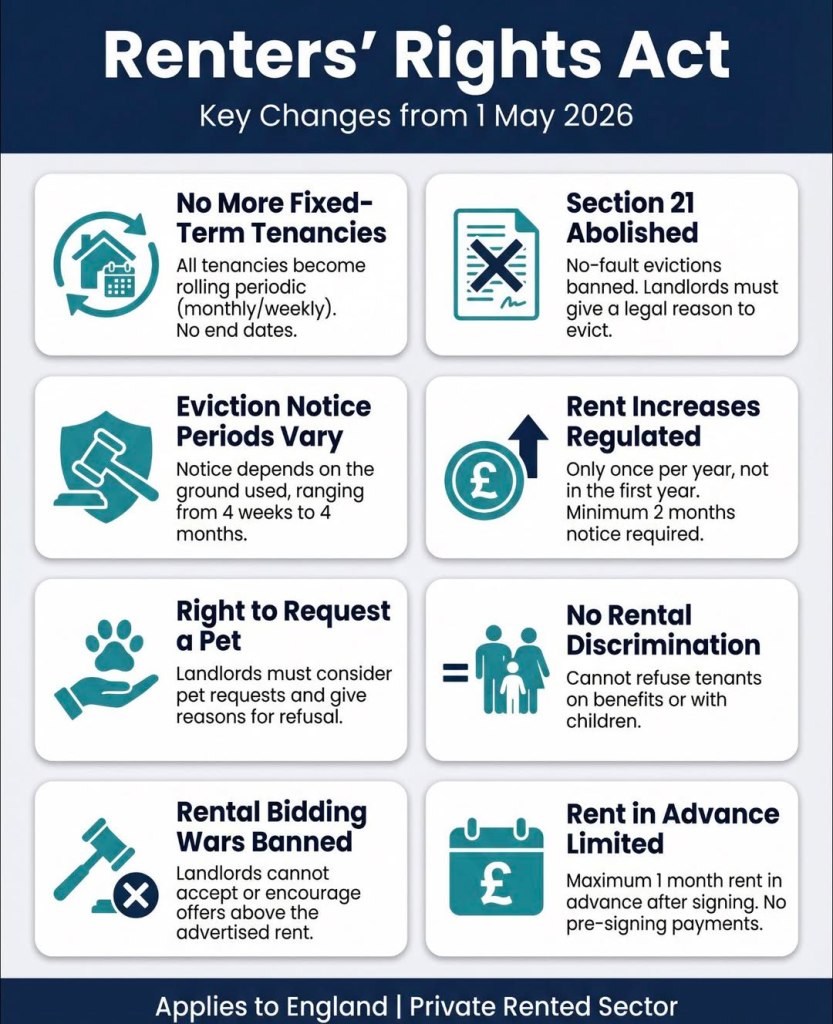
Enforced on May 1st, 2026, the reforms of renters’ rights abolished fixed-term assured shorthold tenancies (AST’s), removing the landlord’s right to invoke the Section 21 notice of eviction without having to prove a ground for possession. The change has instead introduced rolling periodic contracts for private renters, only requiring two months notice of vacating the property from tenants. While originally intended to create a more fair and secure rental market, the change in law has sparked debate among tenants, landlords and universities, after having a visible impact on Newcastle’s student population.

Over 50,000 students across Newcastle and Northumbria Universities live in Newcastle upon Tyne, largely relying on privately rented accommodation in areas including Jesmond, Heaton and Sandyford. Before the change in renters’ rights most students signed fixed 10 or 12-month tenancy agreements tied to the academic calendar, however under the new law, those arrangements have been replaced by rolling tenancies, largely benefitting international and masters students.
The changes have been generally welcomed by many students who say the old system left them trapped in unsuitable housing arrangements, either unable to move out when they needed to, or moving in too soon.
Third year Economics student, living in a house share in Heaton said the changes would give students more control over their living situations.
“People sign contracts way too early because they panic about housing, then six months later tensions within houses rise, circumstances change, or you simply don’t need to be in Newcastle for an entire 12 months, but you’re stuck paying rent for a whole year. This gives students a way out.” – Daniel Wilkinson
The pressure to secure accommodation early has been a well-known feature of Newcastle’s student housing market, where competition for popular properties with a September move-in date can begin before Christmas.

However, the reforms have created uncertainty for landlords who depend on the predictable cycle of student tenancies. Student housing providers are concerned that rolling contracts could disrupt the annual turnover, which originally aligned with university terms. Many property owners remain confused about how the rules apply to student houses.
“The traditional student cycle was straightforward,” he said. “Students signed for a year, moved out in summer, and new tenants moved in. Now there’s concern that properties could sit empty if students leave unexpectedly at different times.” – John Bowden, Jesmond landlord.
The legislation changes could also potentially reduce the supply of student housing if smaller property owners decide to leave the market altogether.
The National Residential Landlords Association described the reforms as “the most significant overhaul” of renting legislation in decades.

Several student advisors have taken extra steps in helping students understand their new rights and responsibilities, as the new legislation would override any current contracts.
Guidance pages were published by multiple Students’ Unions, warning students that “renting [were] changing from 1 May 2026” and explaining that tenancies would move onto rolling agreements. However, student housing advisers in Newcastle say confusion remains widespread, particularly around joint tenancies.

Under the new rules, if one person in a joint tenancy serves notice correctly, it can potentially end the tenancy for the entire household, the possibility of which has caused anxiety among some students living in shared houses.
“I think a lot of people are still confused about how it works,” said Northumbria student James Dickens. “You could potentially find yourself needing a new housemate halfway through the year because somebody wants to move out earlier.”
The Renters’ Rights Act has also introduced wider tenants’ protections. Landlords can now only increase rent once every 12 months, and tenants have the right to challenge increases they believe are unfair.
Those changes are especially important for students, many of whom experience poor housing conditions and limited power in competitive rental markets, however some students fear the legislation could lead to unintended consequences, including higher rents or fewer available student homes.
“On one hand I feel like the government has done something that makes my life much easier as a student, but on the other I forgot to consider that landlords might actually fight back.” – Jodie Crane
Despite concerns, Newcastle housing campaigners argue the legislation reforms mark an important shift in favour of renters, after years of insecurity in the student housing sector. As Newcastle prepares for another academic year, both students and landlords are entering unfamiliar territory. While the long-term effects of the legislation remain uncertain, it is already evident that the city’s student rental market is undergoing its biggest transformation in decades.
 esnewcastlenews
Leave a comment